


by
Concrete is often perceived as naturally waterproof. In reality, concrete is a porous material that allows water and moisture to travel through tiny capillaries and microcracks. Without proper protection, water infiltration can lead to corrosion of reinforcing steel, structural deterioration, mold growth, and expensive repairs.
When selecting a waterproofing solution, the debate often comes down to membrane waterproofing vs crystalline waterproofing. Both systems aim to prevent water ingress, but they work in fundamentally different ways. Choosing the right system can significantly affect the lifespan, maintenance costs, and overall performance of a structure.
This guide explains how each waterproofing method works, compares their strengths and limitations, and helps engineers, architects, contractors, and property owners determine which solution best suits their project.
Table of Contents
- Why Concrete Needs Waterproofing
- What Is Membrane Waterproofing?
- What Is Crystalline Waterproofing?
- How Each System Works
- Head-to-Head Comparison
- Advantages of Crystalline Waterproofing
- When Membrane Waterproofing Is Appropriate
- Common Mistakes When Choosing Waterproofing
- Which System Is Better?
- Frequently Asked Questions
Why Concrete Needs Waterproofing
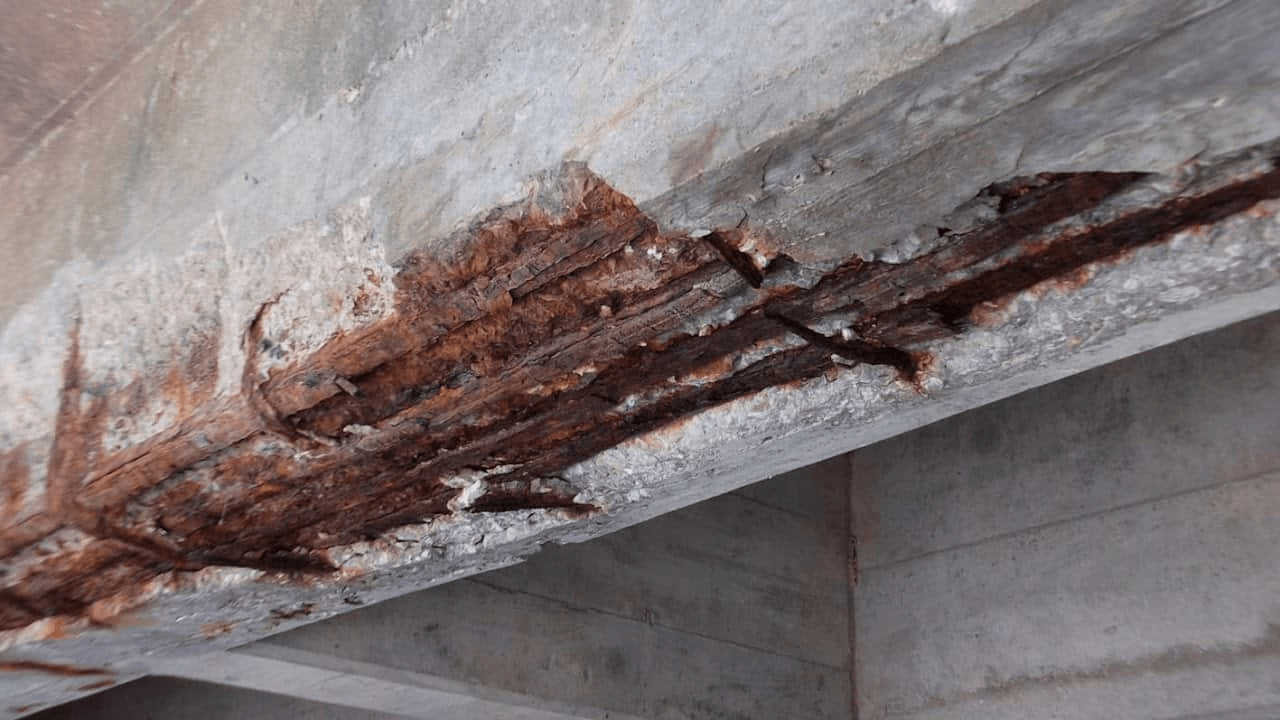
Although concrete appears solid, it contains millions of microscopic pores and capillary pathways. These tiny openings allow water, moisture, and dissolved chemicals to penetrate the structure over time.
Water intrusion may seem harmless initially, but its long-term effects can be severe.
Some of the most common problems include:
- Reinforcing steel corrosion
- Concrete cracking
- Efflorescence
- Mold and mildew growth
- Freeze-thaw damage
- Chemical attack
- Reduced structural lifespan
Waterproofing is therefore not just about preventing leaks. It is about preserving the integrity and durability of the entire concrete structure.
What Is Membrane Waterproofing?
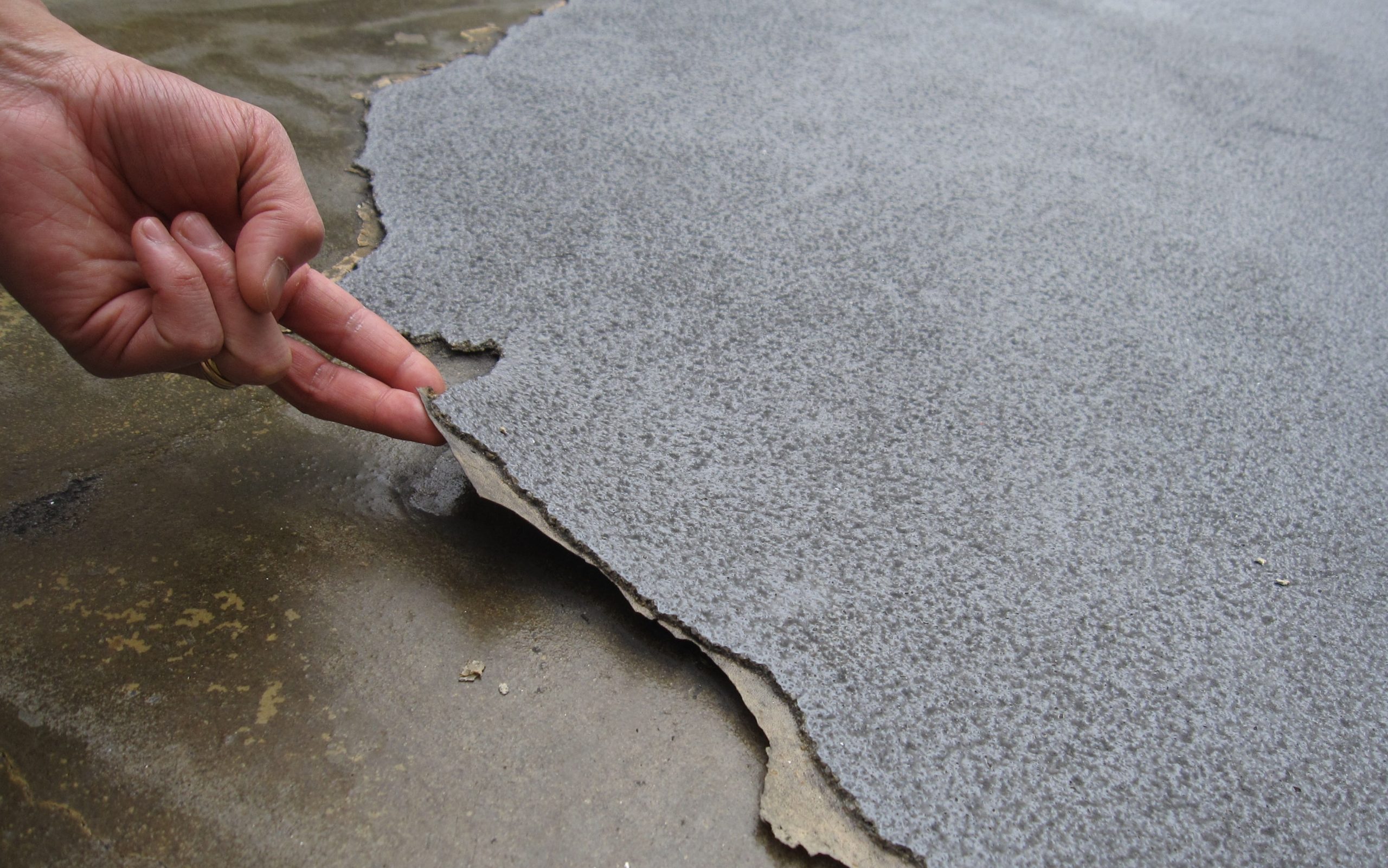
Membrane waterproofing is a surface-applied system that creates a physical barrier between water and the concrete.
Depending on the application, membranes may be installed as:
- Sheet membranes
- Liquid-applied membranes
- Bituminous membranes
- Polyurethane membranes
- PVC membranes
- HDPE membranes
The membrane sits on the exterior or interior surface of the concrete. When installed correctly, it blocks water from reaching the concrete beneath.
This approach has been widely used for decades on:
- Roof decks
- Basements
- Podiums
- Balconies
- Foundation walls
- Tunnels
- Water-retaining structures
Advantages of Membrane Waterproofing
Membrane systems offer several benefits.
Limitations
Because the waterproofing layer remains on the surface, it can be damaged during construction or throughout the building’s life.
What Is Crystalline Waterproofing?
Crystalline waterproofing takes a completely different approach.
Instead of forming a protective layer on the surface, crystalline technology becomes part of the concrete itself.
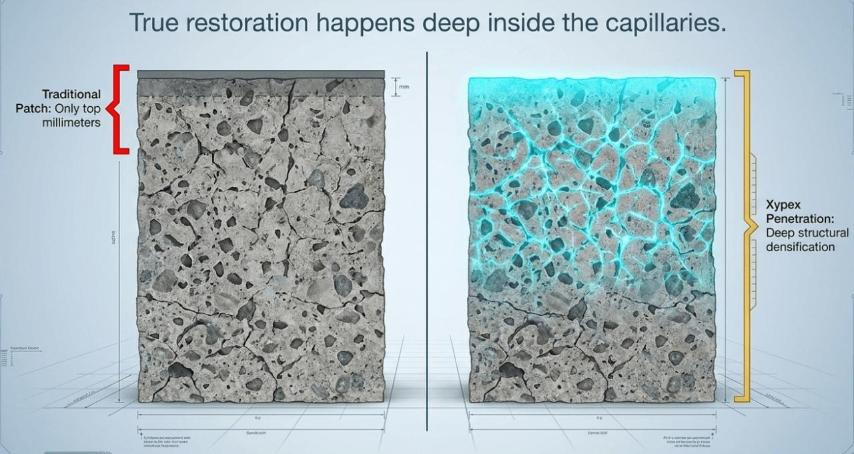
Specialized chemicals react with water and unhydrated cement particles inside the concrete. This reaction forms millions of insoluble crystals that grow throughout the concrete’s capillary network.
As the crystals develop, they permanently block pathways through which water would normally travel.
Unlike membranes, crystalline waterproofing is integrated into the concrete.
It cannot peel, puncture, or separate because it becomes part of the structure.
Crystalline waterproofing may be applied in several ways:
- As an admixture added during batching
- As a surface-applied coating
- As a dry shake treatment
- As repair materials for existing structures
This versatility makes crystalline technology suitable for both new construction and rehabilitation projects.
How Does Crystalline Waterproofing Work?
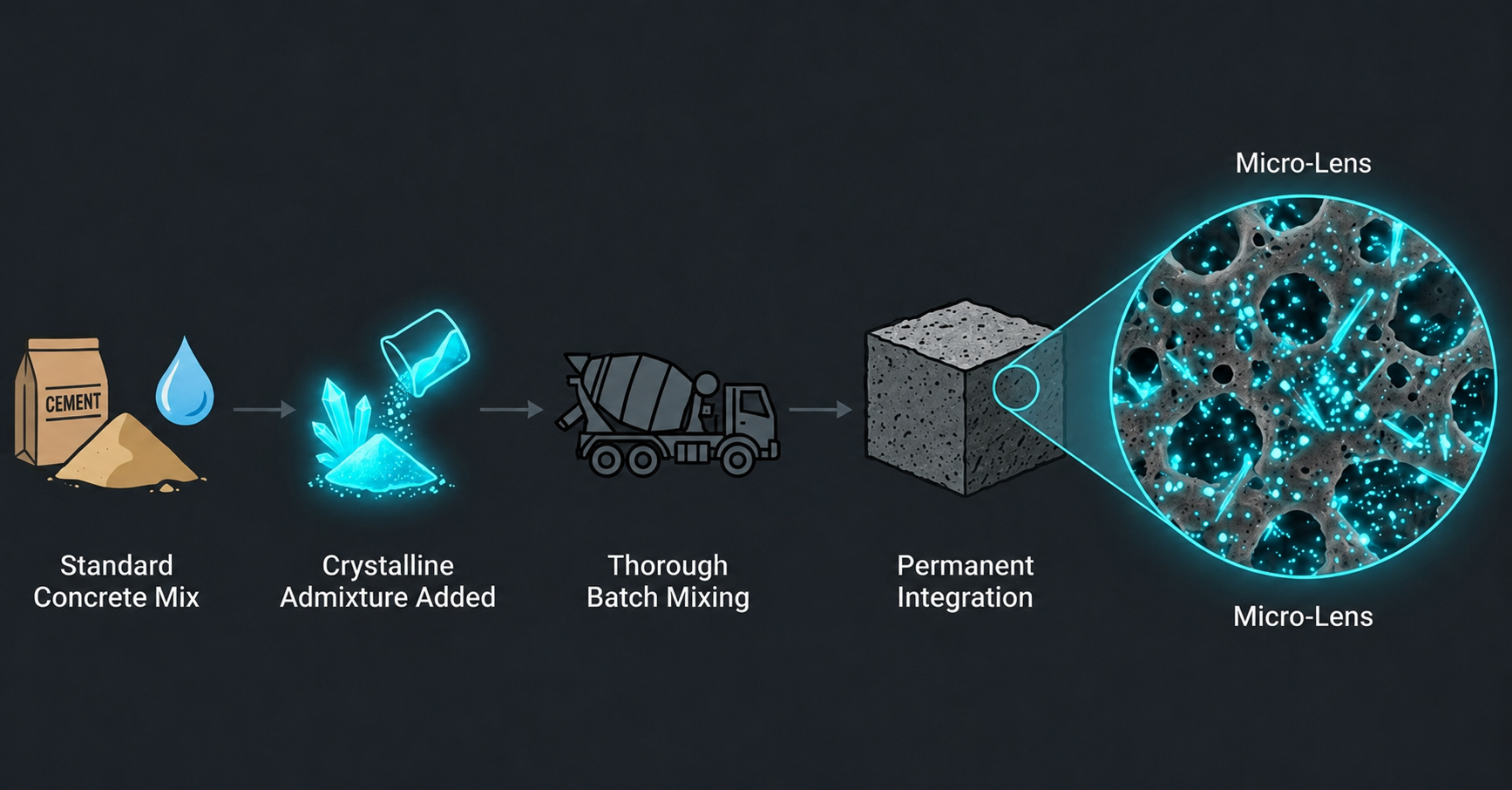
The science behind crystalline waterproofing is one of its greatest advantages.
When moisture enters untreated concrete, it moves through interconnected pores and capillaries.
Crystalline chemicals react with:
- Water
- Cement hydration by-products
- Unhydrated cement particles
This reaction produces needle-like crystals that continue growing until the available pathways become blocked.
Unlike coatings, these crystals remain dormant when dry.
If new moisture later enters the concrete, the chemicals reactivate and continue forming additional crystals.
This unique characteristic provides what many engineers describe as a “self-sealing” capability for very fine cracks that develop over time.
Because the waterproofing exists within the concrete mass itself, it cannot be accidentally removed during excavation, backfilling, or future renovations.
Membrane Waterproofing vs Crystalline Waterproofing: A Side-by-Side Comparison
| Feature | Membrane Waterproofing | Crystalline Waterproofing |
|---|---|---|
| Protection Method | Surface barrier | Integral protection within concrete |
| Vulnerability | Can puncture or tear | Cannot puncture |
| Delamination Risk | Yes | None |
| Installation | Additional trade required | Can be added during batching |
| Service Life | May require replacement | Designed to last the life of the concrete |
| Repairs | Often difficult | Usually simpler since protection remains within the concrete |
| Maintenance | Periodic inspection required | Minimal maintenance |
| Water Migration | Water may travel beneath damaged membrane | Water pathways become blocked internally |
| Best Application | Existing structures, roofs, exposed decks | New construction, foundations, tunnels, water tanks, basements |
When moisture enters untreated concrete, it moves through interconnected pores and capillaries.
Crystalline chemicals react with:
- Water
- Cement hydration by-products
- Unhydrated cement particles
This reaction produces needle-like crystals that continue growing until the available pathways become blocked.
Unlike coatings, these crystals remain dormant when dry.
If new moisture later enters the concrete, the chemicals reactivate and continue forming additional crystals.
This unique characteristic provides what many engineers describe as a “self-sealing” capability for very fine cracks that develop over time.
Because the waterproofing exists within the concrete mass itself, it cannot be accidentally removed during excavation, backfilling, or future renovations.
Why More Engineers Are Choosing Crystalline Waterproofing
Across major infrastructure projects worldwide, many engineers are moving toward integral waterproofing systems because they address the root cause of water ingress rather than simply covering the surface.
Several factors contribute to this shift.
Request Project Evaluation