


by
How Concrete Seals Static Cracks Up to 0.5 mm
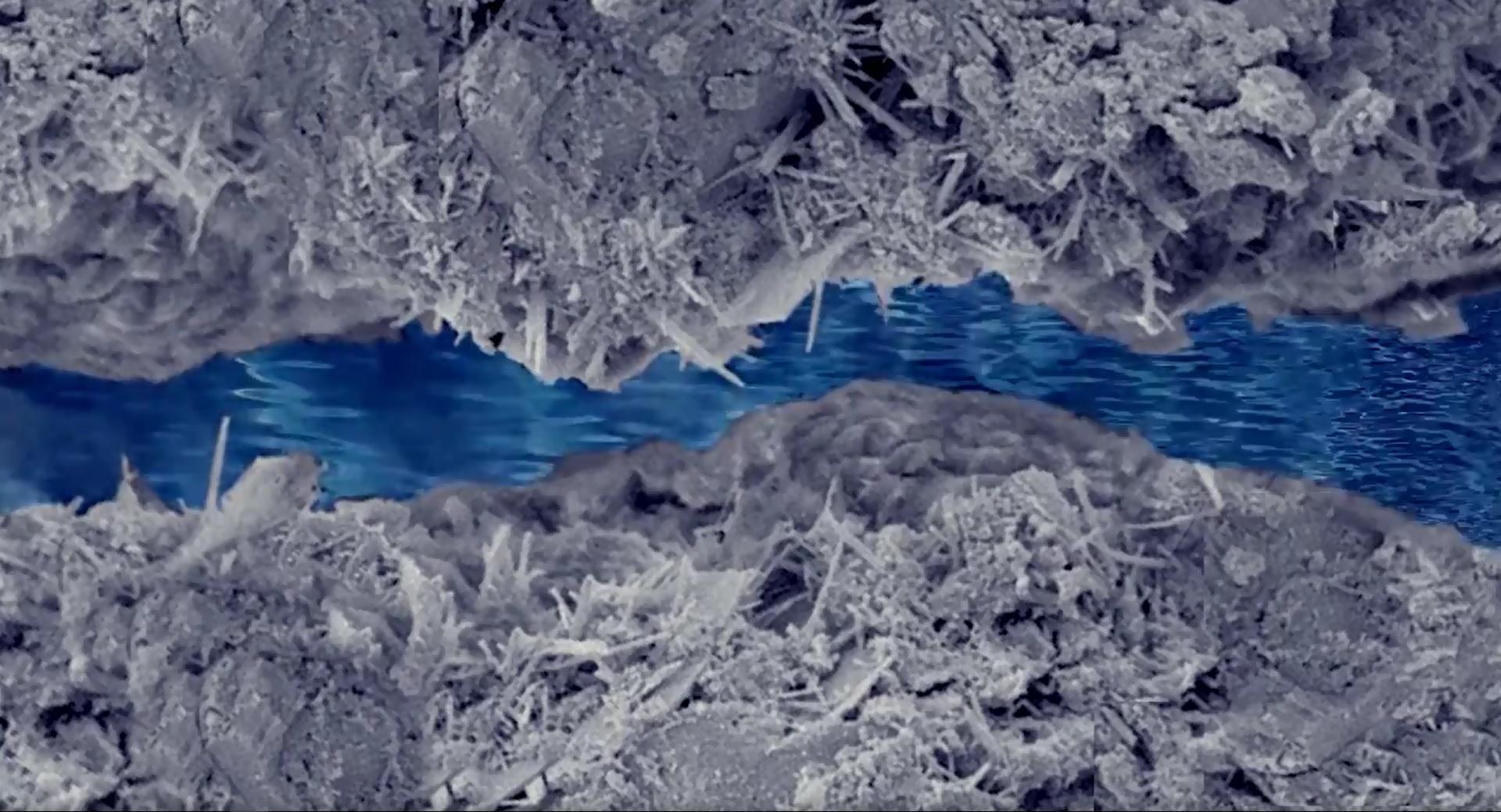
Concrete cracks can allow water to penetrate structures, affecting durability and long-term performance. Self-healing crystalline waternolproofing uses Xypex technology to help seal static cracks up to 0.5 mm by forming insoluble crystals within concrete pores and capillaries under suitable conditions. This technology supports watertightness in basements, water tanks, tunnels, and other reinforced-concrete structures.
Quick Answer: Can Crystalline Waterproofing Self-Heal Cracks Up to 0.5 mm?
Yes. Self-healing crystalline waterproofing can help seal non-moving concrete cracks up to 0.5 mm wide under suitable conditions. Xypex Crystalline Technology is designed to react in the presence of moisture, promoting insoluble crystalline formations within concrete pores, capillaries and certain cracks.
However, the 0.5 mm capability is not a guarantee that every crack will heal. Performance depends on moisture availability, crack stability, concrete conditions and the specific waterproofing system.
Xypex technical documentation supports the treatment of static cracks up to 0.5 mm while identifying moving cracks as a separate waterproofing challenge.
What Is Self-Healing Crystalline Waterproofing?
Self-healing crystalline waterproofing is a concrete protection technology that uses reactive chemical ingredients to reduce water penetration through concrete.
Unlike conventional surface membranes, crystalline waterproofing can act within the concrete itself.
The technology is available in different forms, including:
- Integral crystalline admixtures: Added during concrete batching, such as Xypex Admix C-Series.
- Surface-applied crystalline coatings: Applied to prepared concrete, such as Xypex Concentrate.
- Crystalline repair treatments: Used as part of specified procedures for cracks, construction joints and localized defects.
When appropriate moisture and cementitious constituents are present, crystalline reactions help block pathways through which water could otherwise travel.
How Does Self-Healing Crystalline Waterproofing Work?
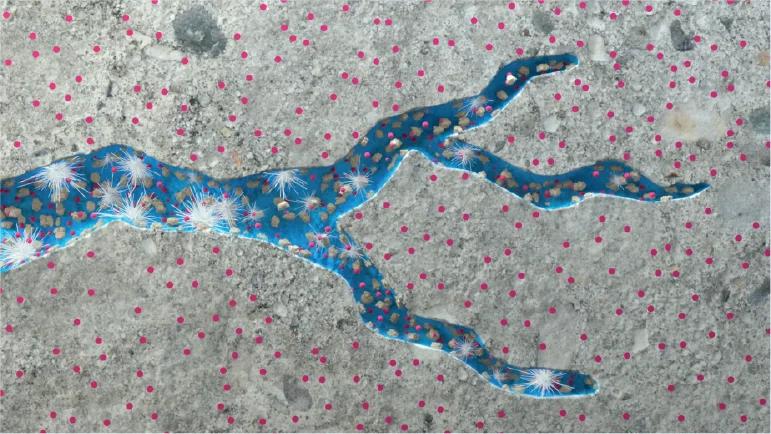
Water enters a crack
Moisture reaches accessible pores and capillaries.
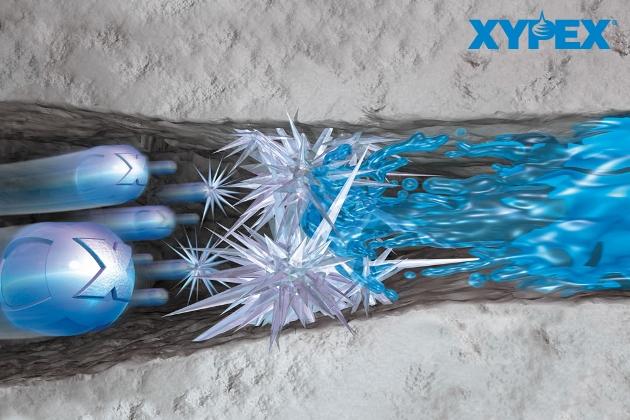
Crystalline reaction develops
Reactive constituents promote formation of insoluble deposits.
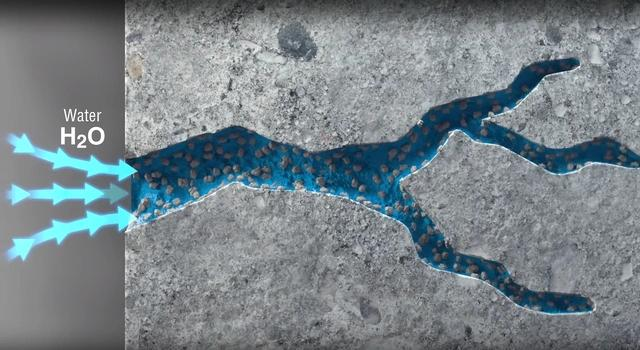
Water pathways become restricted
Crystalline formations can reduce permeability
The process can be explained in four stages.
Concrete develops a crack
Concrete may crack because of drying shrinkage, temperature changes, restraint or structural loading. Cracks can create pathways for moisture and potentially harmful substances.
Moisture activates reactions
In concrete containing or treated with suitable crystalline waterproofing products, available water helps activate the reactive constituents.
Insoluble deposits develop
Crystalline and other hydration-related products can accumulate within pores and cracks, restricting water movement.
Permeability decreases
Under favorable conditions, the crack may become sufficiently sealed to reduce or stop leakage.
What Does the Evidence Show About 0.5 mm Crack Healing?
The 0.5 mm figure is supported by Xypex manufacturer documentation and reported testing, but the evidence should be interpreted carefully.
Manufacturer-reported crack-healing demonstration
0.5 mm
Approximate crack width reported in a Xypex Admix test
0.8%
Admix C-1000 NF dosage reported in the test
4 days
Reported time until dripping ceased in treated panels
In the reported demonstration, concrete panels containing Xypex Admix were intentionally cracked and exposed to ponded water. The manufacturer reported that dripping stopped in the treated panels while untreated controls continued leaking.
Why Does This Matter in Philippine Concrete Construction?
The Philippines presents demanding moisture-exposure conditions for reinforced concrete structures.
Heavy rainfall, groundwater, coastal environments and water-retaining applications can make watertightness an important design requirement.
Self-healing crystalline waterproofing may be relevant to projects where limiting water movement through concrete is essential.
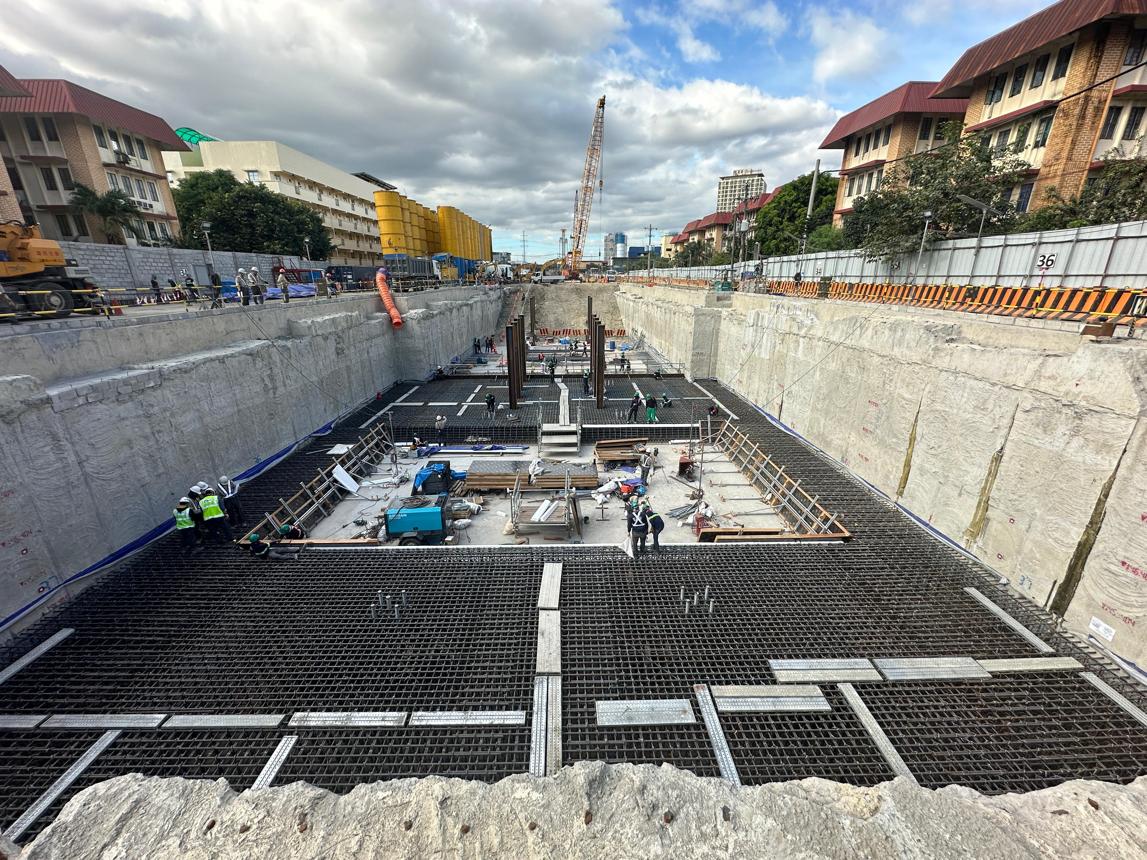
Basements and below-grade structures
Helps reduce water penetration through suitable concrete sections exposed to groundwater, subject to joint detailing and structural design.
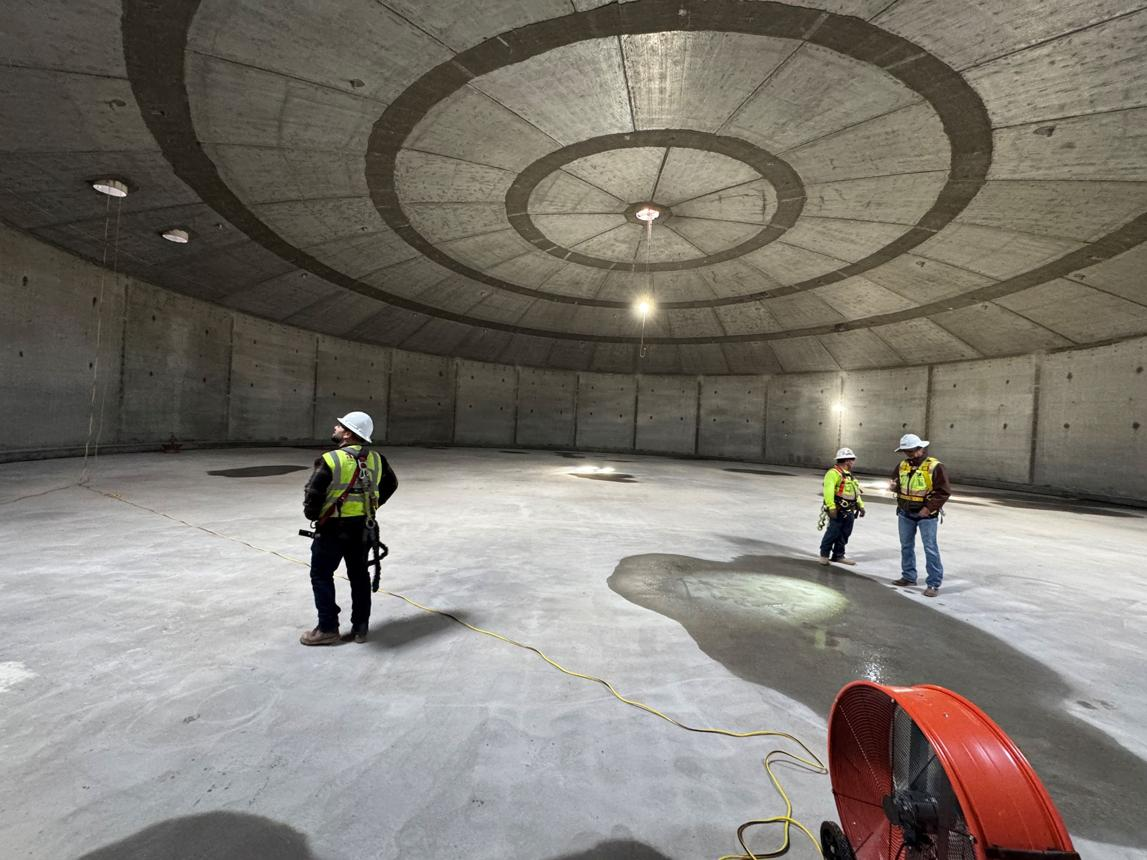
Water tanks and reservoirs
Supports concrete watertightness where water retention, construction quality and appropriate joint treatments are essential.

Tunnels and underground infrastructure
May form part of an integrated waterproofing strategy alongside waterstops, movement-joint systems and drainage where required.
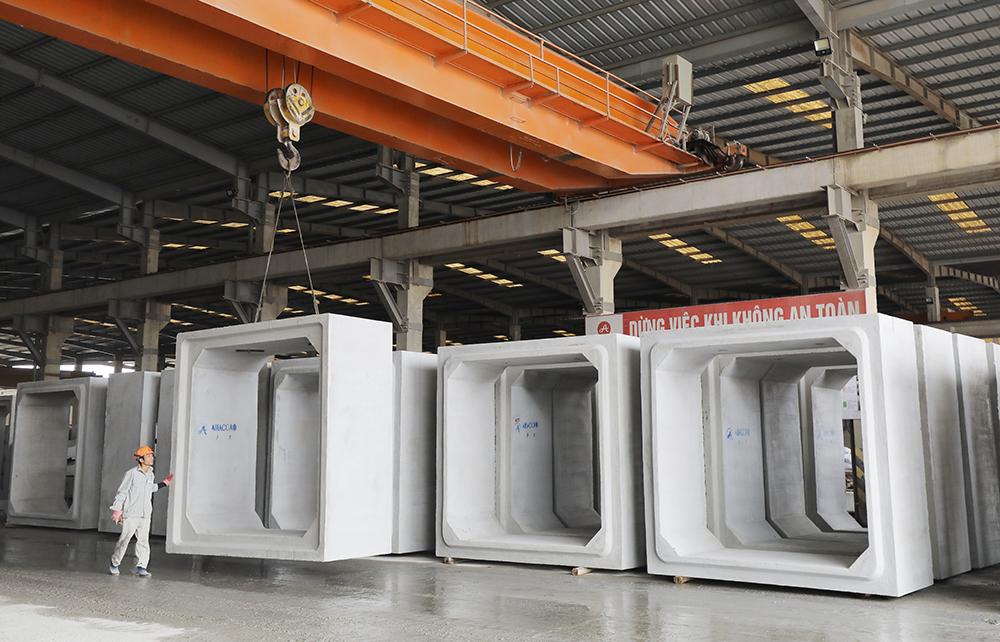
Precast concrete structures
Can be considered for specified precast elements, including culverts, manholes and other concrete components exposed to moisture.
What Are the Limitations of Self-Healing Crystalline Waterproofing?
| Condition | Engineering consideration |
| Static crack up to 0.5 mm | Potentially suitable for crystalline crack sealing, depending on conditions |
| Crack wider than 0.5 mm | May require a separate engineered repair procedure |
| Active or moving crack | Usually requires a system capable of accommodating movement |
| Structural crack | Requires engineering assessment and potentially structural repair |
| Construction joint | Requires appropriate waterstop or specified joint treatment |
| Active high-flow leak | May require immediate leakage-control repair |
| Dry conditions | Insufficient moisture may limit crystalline reaction |
What Should Engineers Evaluate Before Specifying Crystalline Waterproofing?
Engineers and specifiers should evaluate the actual project requirements rather than relying on the 0.5 mm claim alone.
Key considerations include crack-width acceptance criteria, crack movement, anticipated hydrostatic pressure, concrete mix design, product dosage, curing, construction-joint detailing, independent test evidence and long-term inspection requirements.
A technical submittal should include applicable product data sheets, test reports, application instructions and project-specific detailing.
Frequently Asked Questions
Can crystalline waterproofing self-heal cracks up to 0.5 mm?
Yes. Xypex crystalline waterproofing can help seal static concrete cracks up to 0.5 mm under suitable moisture conditions.
How long does crystalline crack healing take?
Healing time varies. Xypex has reported leakage stopping within four days in specific tests, but actual results depend on site conditions.
Can crystalline waterproofing resist hydrostatic pressure?
Yes. Crystalline waterproofing helps reduce water penetration under hydrostatic pressure when properly specified and applied.
Can Xypex seal cracks larger than 0.5 mm?
Larger cracks generally require additional waterproofing repairs, depending on crack size, movement, and leakage.
Can crystalline waterproofing replace waterstops?
No. Construction and movement joints may still require waterstops or flexible waterproofing systems.
Can Xypex waterproof existing concrete?
Yes. Xypex Concentrate can treat existing concrete with proper surface preparation and application.
Is crystalline waterproofing suitable for Philippine construction?
Yes. It can be suitable for basements, water tanks, tunnels, and underground concrete structures, subject to project requirements.
Still have questions? Check out our FAQ page or send us a message
Conclusion: Understanding the 0.5 mm Self-Healing Capability
Self-healing crystalline waterproofing offers a practical method of improving concrete watertightness by helping seal suitable static cracks up to 0.5 mm.
For Philippine construction projects, specifying crystalline waterproofing requires careful consideration of exposure conditions, concrete quality, hydrostatic pressure and documented product performance.
AVA Concrete Protection provides Xypex crystalline waterproofing products and technical support for concrete waterproofing and repair applications in the Philippines.